Harvard's Climate Initiative
COMMIT > ACT > THRIVE
Consider This: Neighborhood preparedness … create a plan with neighbors on your street

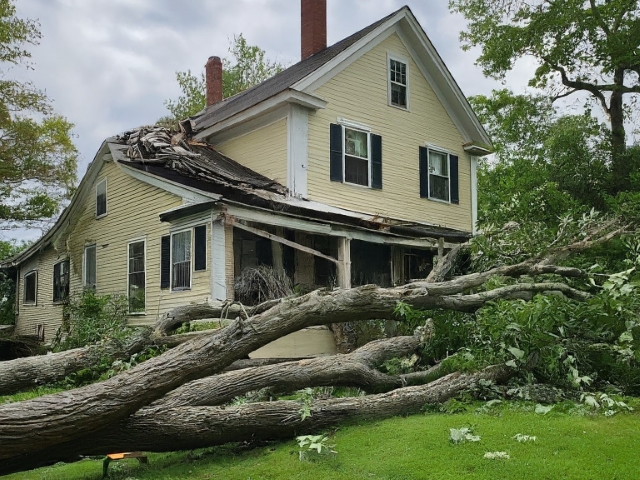
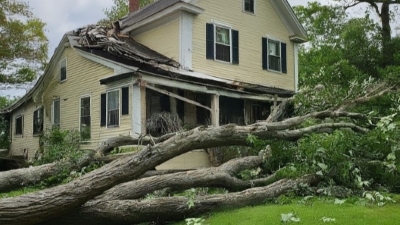
Neighbors knowing and helping neighbors in times of storms is a way to keep everyone safe. As the Massachusetts climate changes—getting hotter, more frequent storms, potential tornados and wildfires—knowing one another and how we can help each other will make it safer for all of us.
By Ellen Sachs Leicher, chair of the Harvard Climate Initiative Committee.
Neighbors knowing and helping neighbors in times of storms is a way to keep everyone safe. As the Massachusetts climate changes—getting hotter, more frequent storms, potential tornados and wildfires—knowing one another and how we can help each other will make it safer for all of us. It also creates a sense of community, something we may have lost as homes are far apart, our days are busy, and our interactions are less frequent.
A few members of the Climate Initiative Committee have created neighborhood preparedness plans and have enjoyed getting to know their neighbors in the process. It has created a sense of community which many of us feel we lost and want to regain but haven’t. This is a simple way to create community and to care for one another, particularly when storms or other severe weather events or natural disasters result in significant damage or prolonged power outages. Here is how it is done. It’s simple and doable.
Define a specific geographic area, such as a street or a segment of a street comprising approximately 20 to 30 houses.
Find at least one additional partner within this area to assist with gathering neighbor information. Existing contact details (such as emails or phone numbers) may be available. Otherwise, consider introducing yourself to neighbors directly to collect initial information.
Clearly communicate the purpose of the plan and establish guidelines regarding who will serve as points of contact and under what circumstances they will initiate communication. For instance, the area can be divided, assigning two people as contacts responsible for different sections of the street. During or after an adverse event, these people should check on their designated residents to assess any needs and coordinate support using available resources (e.g., tools, generators). It is advisable to designate one or two backup contacts, in case primary leads are unavailable.
Distribute a printable spreadsheet to gather comprehensive information from all participants (see sample at right). This should include: all forms of contact (cellphones, landlines, email addresses), available emergency tools, access to generators, and any medical experience. Utilizing a shared digital document, such as a Google Doc, allows for efficient updates. Share the document with all participants; if privacy concerns arise, have the identified contacts maintain the master list.
Update the list and information yearly or when someone moves away and a new resident moves in.
The Climate Initiative Committee would love to know if you have a neighborhood list so we can continue to reach out to other neighborhoods to expand the town’s preparedness. Email us at harvardmaclimate@gmail.com.
Facilitate community engagement by organizing a block party. A gathering with refreshments, activities for all ages, and name tags displaying house numbers is a fun activity and a way to get to know your neighbors.
Below is a sample email to reach out to neighbors about forming a preparedness group and a sample spreadsheet for collecting contact and other useful information.
From The Harvard Press by Ellen Sachs Leicher · October 23, 2025
Copyright Harvard Press, LLC, 1 Still River Road, PO Box 1, Harvard, MA 01451, 2025.
This work is licensed under a Creative Commons Attribution-NonCommercial-NoDerivatives 4.0 International License
Sample letter to organize a neighborhood group
Dear neighbors,
Thank you for your input and comments on our Neighborhood Preparedness Plan. You will receive a Google notification granting you access to the spreadsheet containing the collected information. It is advisable to print this spreadsheet in case you encounter difficulties accessing the document electronically. Please keep it in an accessible location.
This system is meant to be implemented when storms or other severe weather events or natural disasters result in significant damage or prolonged power outages. In these situations, either (name) or I will contact you to confirm your well-being or determine if any assistance is required. Should help be necessary, we will coordinate with others who have appropriate tools or equipment, prioritizing those who are nearby. If we are unable to reach you by phone, text, or email, someone will check in person.
Currently, (name) will serve as a backup if one of us is unavailable.
Please inform us if you plan to be away for an extended period.
For minor issues that may require contacting a neighbor—such as checking if a power outage is affecting others—you are welcome to do so directly as needed.
We plan to arrange a gathering so that everyone has the opportunity to meet, including residents who have moved in recently.
Thank you for participating in this initiative. Feel free to suggest this approach to friends in other neighborhoods.